Unique Ecosystems
Beyond the white sands and coral reefs of East Africa's coast lie a forest and tidal inlet rich in rare and unique wildlife. Over millions of years the coastal forests evolved their own distinctive animal and plant life, quite different from those found elsewhere in Africa.
This broad belt of forest once spanned the East African coast from Somalia in the north, to Mozambique in the south. In Kenya, sacred remnants of forest, known as "kayas" can still be found. However, the largest remnant, at around 420 Km2, (see map) is Arabuko-Sokoke Forest. It is home to a great variety of mammals, amphibians, insects and birds. Many are rare species, such as the tiny Sokoke Scops Owl and the peculiar Golden-rumped Elephant Shrew (Sengi).

Mida Creek, adjacent to the forest (see map), is home to one of the most productive mangrove ecosystems on earth (8 of the 9 species in East Africa are found here). It is a significant feeding ground for internationally important migrating birds including Crab-plovers and a small population of Greater Flamingos, which roost and feed in the shallows.
Parents and students participate in practical conservation activities. These include:
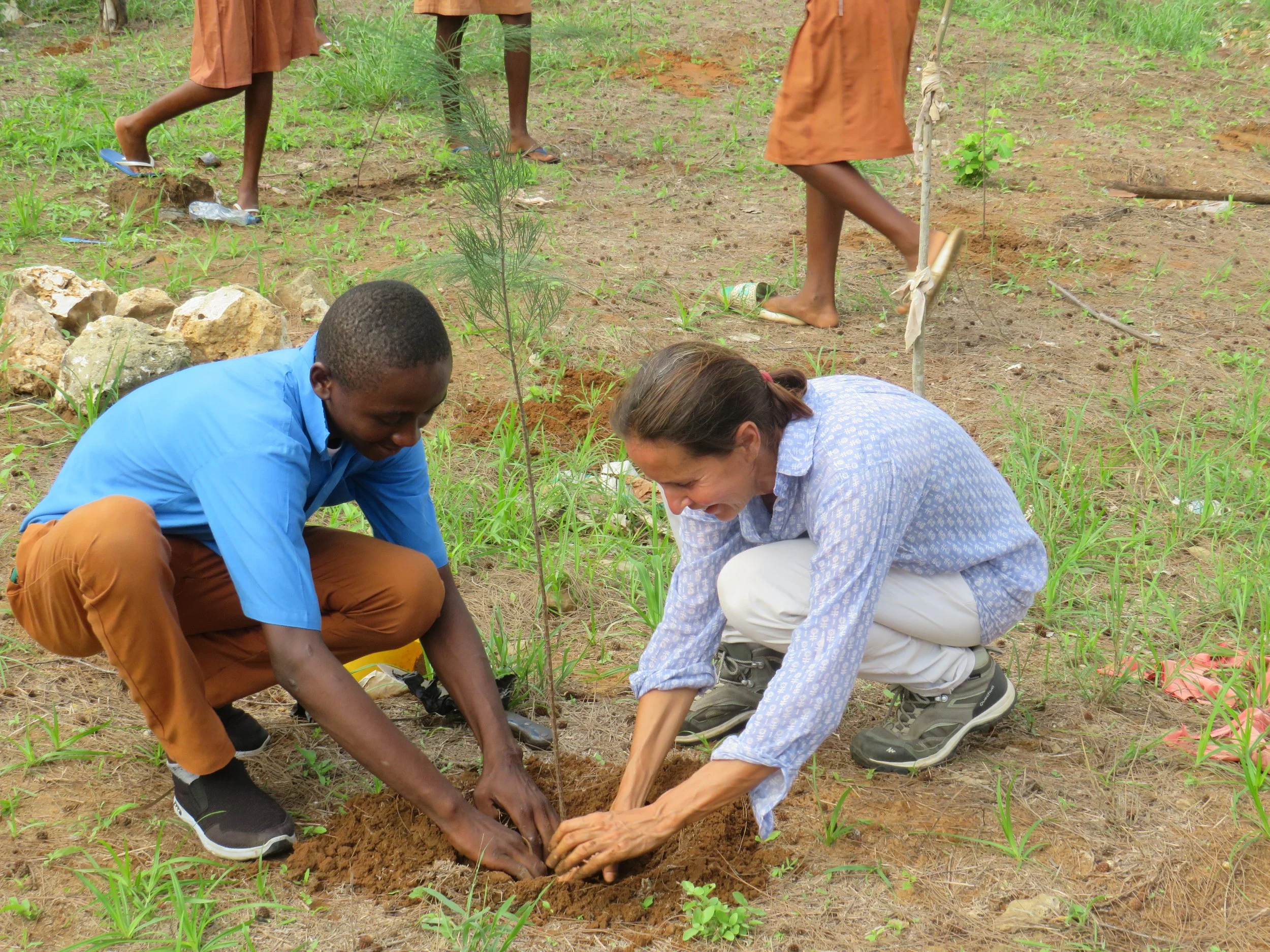
Tree planting: Muvera members undergo training on establishment and management of tree nurseries where they keep seedlings of indigenous species. Some first growing non-invasive species are also reared for commercial purpose. Tree planting events are conducted every year where seedlings are planted in degraded parts of the forest. Surplus of seedlings are sold to generate income for the members.
Snare walks: These activities are organized to expose the community to the illegal activities taking place in the forest. Members of Muvera wa ASSETS periodically go into the forest to assess the intensity of illegal activities but also to destroy traps and snares that target mostly small mammals.
Other activities include; Farming God's Way, Fireless cookers (energy saving stoves) and Bee keeping.

Conservation Action
ASSETS contributes to the conservation of Arabuko-Sokoke Forest and Mida Creek by equitably distributing the benefits from Eco-tourism to the people living around the sites. It runs hand in hand with the A Rocha Kenya Schools and Community Environmental Education Programme, enhancing the environmental awareness of each student being supported. By taking part in Environmental education activities, parents and students are also made aware that the funds for the bursaries come from Eco-tourism, and therefore depend on the forest and Creek being in good condition to maintain visitor numbers.
It is precisely because the bursaries come from Eco-tourism that we expect all ASSETS beneficiaries and their families to refrain from taking part in any illegal extraction or harvesting. This condition of the Eco-bursary fund should have immediate beneficial effects on the sites. In addition, all beneficiaries are provided with seedlings to establish their own woodlots. Once mature, these woodlots should provide an alternative income in addition to domestic uses, and thus reduce pressure on the forest and Creek.
The very act of providing financial assistance with school fees will reduce the pressure on parents to exploit the natural resources around them. In the long term, by promoting education and thus increasing the chances of employment, ASSETS will reduce poverty and consumption of precious resources within the Forest and Creek.
A happy face for a happy moment.